The Lunch Lady Who Fed a Town's Hunger for Justice — and Changed Federal School Nutrition Policy

The Empty Trays That Started It All
Martha Rodriguez had served exactly 47,832 lunches in her twelve years working the cafeteria line at Riverside Elementary in Bakersfield, California. She knew this because she kept count in a small notebook — not out of obsession, but because someone had to care about the numbers when no one else would.
 Photo: Riverside Elementary, via diversifiedinteriors.com
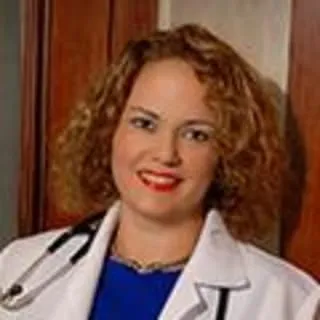 Photo: Martha Rodriguez, via doximity-res.cloudinary.com
It was October 1987 when she noticed something that would change everything. Seven-year-old Danny Morales had fallen asleep at his desk again. When Martha asked his teacher about it, the answer broke her heart: "He's hungry. Half these kids don't eat breakfast, and by lunch they're too tired to learn."
Martha had grown up poor herself. She knew what hungry looked like. But seeing it in the faces of children who were supposed to be learning their multiplication tables? That was different.
When the System Says No, Feed Them Anyway
The federal school lunch program had strict rules. Kids who couldn't pay didn't eat — simple as that. But Martha Rodriguez wasn't interested in simple.
She started small. A sandwich here, an extra carton of milk there. She used her own grocery money to stock crackers and apples in her desk drawer. When administrators noticed food disappearing from inventory, Martha told them the truth: "These babies are starving. I'm not letting them go hungry on my watch."
The response was swift and bureaucratic. A written warning. A meeting with the principal. Threats about "policy violations" and "fiscal responsibility." Martha listened politely, then went back to feeding kids.
The Letter That Embarrassed a Congressman
By spring, Martha was spending nearly $200 a month of her $800 salary on food for hungry students. Her husband Miguel thought she'd lost her mind. Her supervisor threatened to fire her. But Martha had discovered something more powerful than policy: she could write.
Her letter to Congressman Tony Coelho wasn't polished. It was handwritten on school letterhead, filled with spelling mistakes and cafeteria worker logic. But it contained something that perfectly crafted policy papers never had — the truth about what hunger looked like at 11:30 AM in a third-grade classroom.
"Dear Mr. Coelho," it began. "I serve lunch to 347 kids every day. Yesterday, 89 of them didn't eat because their families can't pay. Today, those same 89 kids will try to learn math while their stomachs are growling. This is not the America I thought I lived in."
She included photos. Kids slumped over desks. Empty lunch trays. A graph she'd made showing test scores dropping in direct correlation with missed meals. It was amateur hour social science, and it was devastating.
From Cafeteria Line to Senate Hearing
Coelho's office initially sent a form letter thanking Martha for her "concern." But something about her follow-up calls — her willingness to keep explaining what hungry children looked like to staffers who had never seen them — got through.
When Coelho visited Riverside Elementary six months later, Martha was ready. She'd documented everything: which kids were falling behind, how test scores improved on days when she "accidentally" made too much food, even testimonials from teachers who'd noticed the difference.
The congressman left shaken. Within a week, Martha Rodriguez — a woman who'd never been further from Bakersfield than Los Angeles — was invited to testify before a Senate subcommittee on childhood nutrition.
The Testimony That Changed Everything
Martha's appearance before the Senate in March 1988 wasn't what anyone expected. She didn't have talking points or policy recommendations. She had stories.
"Senators, I want you to imagine you're seven years old and you haven't eaten since yesterday's school lunch," she began, her voice steady despite the cameras. "Now I want you to imagine trying to learn to read while your stomach hurts so bad you can't think about anything else. That's what I see every day."
She pulled out her notebook — the one with the lunch counts — and read names. Danny Morales, who'd been held back a grade until Martha started feeding him and his scores improved. Sarah Chen, whose mother worked two jobs but still couldn't afford lunch money. Marcus Williams, who'd been labeled a "problem student" until someone realized he was just hungry.
The hearing room was silent. Senator Patrick Leahy later said it was the most powerful testimony he'd heard in twenty years on Capitol Hill.
The Ripple Effect of One Woman's Stubbornness
The Child Nutrition and WIC Reauthorization Act of 1989 wasn't named after Martha Rodriguez, but it should have been. The legislation expanded free lunch programs, created emergency feeding provisions, and established the community eligibility provision that would eventually feed millions of children.
Martha's fingerprints were all over it. Her insistence that hungry kids couldn't learn became federal policy. Her documentation of the connection between nutrition and academic performance became the foundation for expanded funding. Her simple demand that America should feed its children became law.
The Lunch Lady Legacy
Martha Rodriguez retired from Riverside Elementary in 2003, after serving her millionth meal. She never sought credit for the changes she'd sparked, never wrote a book or gave speeches. She just kept feeding kids and trusting that someone, somewhere, was paying attention.
Today, the federal school meal programs she helped reshape serve nearly 30 million children daily. The community eligibility provision she inspired allows entire districts to serve free meals to all students, no questions asked.
But perhaps Martha's greatest legacy isn't in the policy manuals or Congressional records. It's in the simple recognition that sometimes the people closest to a problem — the ones serving the trays, wiping the tables, and seeing the empty stomachs — know exactly what needs to be done.
They just need someone to listen. And sometimes, they need to get stubborn enough to make sure someone does.