The Maintenance Man Who Mastered Chess at 60 and Shocked the Grandmasters
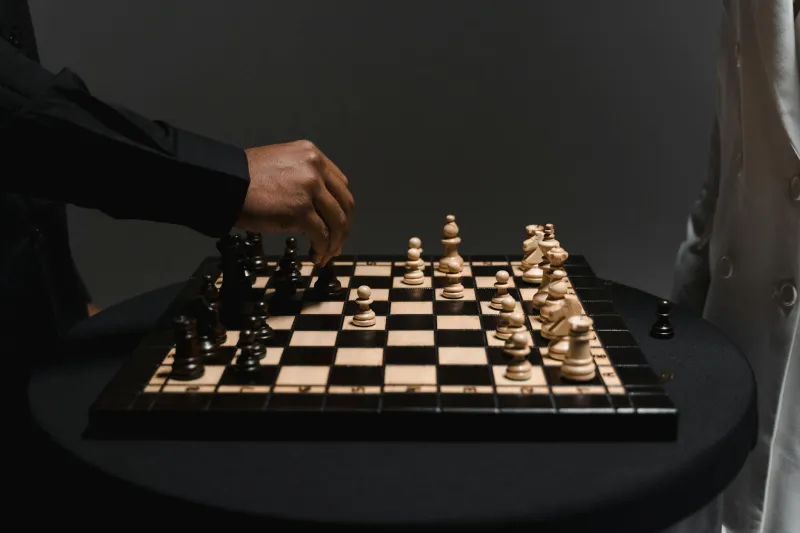
The Discovery in the Dumpster
Harold Washington was emptying wastebaskets in the school library when he spotted it—a thick, dog-eared chess manual someone had tossed into the trash. The cover was torn, pages yellowed with age, but something about those black and white squares called to him. At 58, Harold had never played a real game of chess in his life.
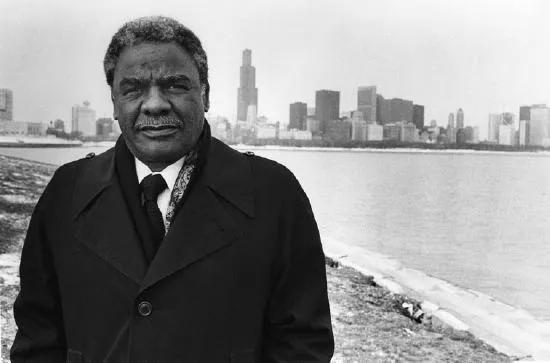 Photo: Harold Washington, via s3.amazonaws.com
For four decades, he'd arrived at Lincoln Elementary before dawn, cleaned classrooms, fixed broken chairs, and watched thousands of kids come and go. The teachers knew him as the quiet man who always had a screwdriver ready and never complained about overtime. What they didn't know was that Harold possessed the kind of pattern-recognition mind that comes along maybe once in a generation.
 Photo: Lincoln Elementary, via wold.imgix.net
Learning the Game in Empty Hallways
That discarded chess book became Harold's obsession. During lunch breaks, he'd sit in empty classrooms, moving imaginary pieces across makeshift boards he'd drawn on scrap paper. He memorized opening sequences while buffing gymnasium floors. He studied endgame positions while waiting for the boiler to warm up on winter mornings.
"I'd been looking at patterns my whole life," Harold later recalled. "How kids moved through hallways, which classrooms needed the most cleaning, when equipment would break down. Chess was just another kind of pattern."
The maintenance work had trained him in ways no chess coach ever could. Forty years of systematic thinking, of seeing problems before they became crises, of working methodically through complex repairs—all of it translated perfectly to the sixty-four squares.
The Tournament That Changed Everything
Two years after finding that book, Harold finally worked up the courage to enter a local tournament. The Washington Heights Chess Club's monthly competition wasn't exactly high-stakes—entry fee was five dollars, and most players were weekend warriors looking for a fun Saturday afternoon.
Harold arrived in his work clothes, carrying a plastic chess set he'd bought at a drugstore. The other players barely noticed him. Here was a 60-year-old Black maintenance worker in a room full of college students and suburban dads who'd been playing since childhood. The assumption was universal: this would be over quickly.
It wasn't.
Dismantling the Establishment
Harold's first opponent was a 22-year-old computer science major who'd won the club championship three times. The game lasted six hours. Harold won.
His second opponent was a retired accountant who'd been studying chess theory for thirty years. Harold crushed him in four moves.
Word spread quickly through the chess community. Videos of Harold's games started appearing on YouTube. Chess magazines wrote articles about the "mystery player" who'd appeared out of nowhere. Tournament directors began calling, offering him spots in increasingly prestigious competitions.
What made Harold's rise so remarkable wasn't just his late start—it was his style. While other players relied on memorized openings and computer analysis, Harold played pure chess. He saw patterns others missed, found combinations that existed nowhere in the databases, turned losing positions into victories through sheer force of logic.
The Prodigy Problem
The chess establishment didn't know what to make of Harold Washington. Here was a man who'd learned the game from a discarded library book, who'd never had a coach or studied with a computer, systematically defeating players who'd spent their entire lives preparing for these moments.
The most telling match came at the Chicago Open, where Harold faced Marcus Chen, a 16-year-old prodigy who'd been playing competitively since age six. Marcus had won junior championships, trained with grandmasters, analyzed thousands of games on cutting-edge software.
 Photo: Chicago Open, via www.antiheromagazine.com
Harold beat him in 23 moves.
"I kept waiting for him to make the obvious mistake," Marcus said afterward. "But he never played the moves I expected. It was like playing against someone from another planet."
Beyond the Board
By age 62, Harold had earned his National Master title. By 64, he was competing in international tournaments. The man who'd spent his career invisible to most of the world was now featured on the covers of chess magazines.
But Harold never quit his day job. He still arrives at Lincoln Elementary before dawn, still fixes broken equipment and cleans classrooms. The difference is that now, on weekends, he travels to tournaments where 12-year-old prodigies ask for his autograph.
The Pattern Behind the Pattern
Harold Washington's story reveals something profound about expertise and timing. While the chess world obsesses over early development and intensive training, Harold proved that mastery can emerge from the most unlikely places at the most unexpected times.
His maintenance work hadn't been a detour from greatness—it had been preparation for it. Every broken boiler he'd diagnosed, every systematic approach to cleaning he'd developed, every pattern he'd noticed in four decades of quiet observation had been training his mind for the moment he'd discover chess.
Today, Harold continues to compete at the highest levels, still learning, still improving. He's become living proof that genius doesn't always announce itself early, and that the most remarkable careers sometimes begin with a discarded book and a willingness to see patterns others miss.
The chess world may have been shocked by Harold Washington's late-blooming mastery, but Harold himself wasn't surprised at all. He'd been preparing for this his entire life—he just hadn't known what he was preparing for.