They All Said the Market Wasn't There: Six Products That Got Laughed Out of Boardrooms Before Becoming Billion-Dollar Staples

Post-it Notes: The "Useless" Adhesive That Stuck Around
In 1968, 3M scientist Spencer Silver was trying to create a super-strong adhesive when he accidentally invented the opposite — a weak, removable glue that could be repositioned multiple times. His colleagues were polite but dismissive. "What's the point of glue that doesn't stick?"
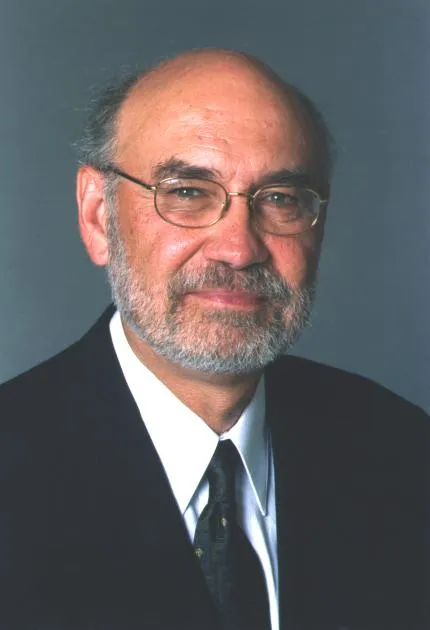 Photo: Spencer Silver, via www.invent.org
Silver spent five years trying to find an application for his "failed" adhesive. He pitched it to product development teams, demonstrated it at company seminars, and even tried marketing it as a bulletin board coating. Every pitch ended the same way: thanks, but no thanks.
The breakthrough came in 1974 when Silver's colleague Art Fry, frustrated by bookmarks falling out of his church hymnal, remembered the repositionable adhesive. He created small sticky bookmarks that could be moved without damaging pages. Even then, 3M's market research predicted "limited commercial appeal."
Post-it Notes finally launched in 1980 after a successful test marketing campaign in Boise, Idaho — a campaign that happened only because Fry refused to give up. Today, 3M sells over 50 billion Post-it products annually, generating more than $1 billion in revenue from an adhesive that "didn't work."
Red Bull: The "Disgusting" Drink Nobody Wanted
When Austrian entrepreneur Dietrich Mateschitz discovered a Thai energy drink called Krating Daeng in 1976, he thought he'd found gold. The drink cured his jet lag and kept him alert during long business trips. But when he brought the formula back to Europe, every beverage company he approached had the same reaction: "It tastes terrible."
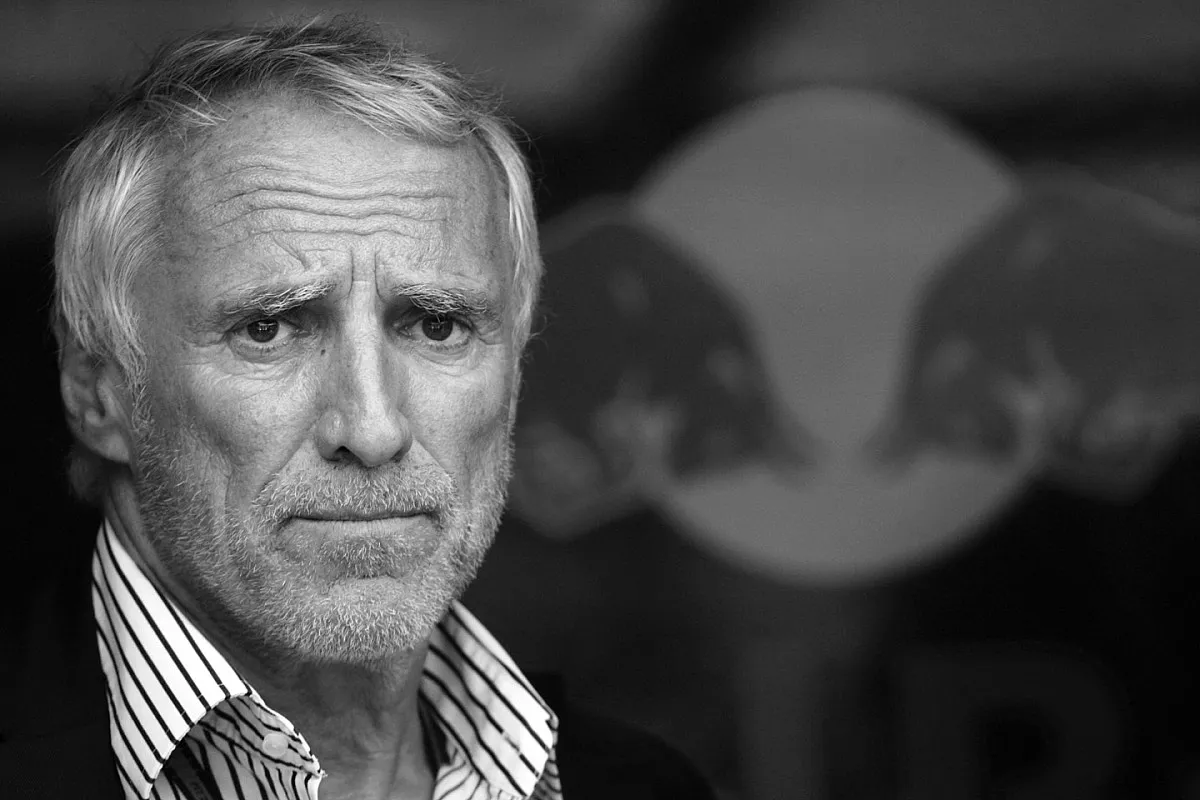 Photo: Dietrich Mateschitz, via cdn-1.motorsport.com
Coca-Cola's European division tested the drink and concluded it was "unpalatable to Western consumers." PepsiCo passed without even trying it. Nestlé's beverage team called it "medicine masquerading as refreshment." Focus groups consistently rated the taste as "medicinal" and "unpleasant."
Mateschitz spent three years being rejected by established beverage companies before deciding to start his own. Red Bull GmbH launched in 1987 with a simple strategy: instead of trying to make the drink taste better, they'd create a market that valued function over flavor.
The energy drink category that Red Bull created is now worth over $50 billion globally. Red Bull itself sells more than 7 billion cans annually, proving that sometimes consumers don't know what they want until someone shows them.
Spanx: The Pantyhose Solution Department Stores Didn't Want
Sara Blakely was selling fax machines door-to-door when she cut the feet off her pantyhose to create a smoother silhouette under white pants. The result worked so well that she spent $5,000 developing a prototype and started pitching her "footless pantyhose" to department stores.
Neiman Marcus buyers called it "a solution to a problem that doesn't exist." Saks rejected it as "too niche." Nordstrom's lingerie buyer was blunt: "Women have been wearing regular pantyhose for decades. Why would they want something different?"
Blakely spent two years collecting rejections before finally convincing a Neiman Marcus buyer to try the product herself. The buyer's enthusiasm led to a small test order, which sold out in hours. Even then, most retailers remained skeptical about long-term demand.
Spanx now generates over $400 million in annual revenue and has expanded into a full line of shapewear and undergarments. Blakely became the world's youngest self-made female billionaire, all from a product that department store buyers initially thought had no market.
Dyson Vacuum: The "Impossible" Bagless Design
James Dyson spent 15 years and created 5,126 prototypes trying to perfect his bagless vacuum cleaner design. When he finally had a working model, established vacuum manufacturers lined up to tell him why it would never work.
 Photo: James Dyson, via sybershel.com
Hoover's engineers insisted that consumers would never buy a vacuum where they could see the dirt. Electrolux's product team argued that removing and emptying a dirt container was "too messy and complicated." Eureka's executives were convinced that without replacement bags, there was "no recurring revenue model."
One executive at a major appliance company summed up the industry consensus: "If bagless vacuums were viable, we would have invented them already."
Dyson finally launched his DC01 model in the UK in 1993 through a small distributor, after every major manufacturer had passed. Within 18 months, it was the best-selling vacuum in Britain. The DC01's success forced established companies to scramble to develop their own bagless models.
Dyson now controls over 20% of the global vacuum market, with annual revenues exceeding $5 billion. The "impossible" bagless design has become the industry standard.
Airbnb: The "Dangerous" Home-Sharing Idea
When Brian Chesky and Joe Gebbia pitched their home-sharing platform to investors in 2008, the response was universally negative. Venture capitalists called it "dangerous," "unsustainable," and "a liability nightmare."
Sequoia Capital passed, arguing that "people will never stay in strangers' homes." Bessemer Venture Partners included Airbnb on their "anti-portfolio" of deals they wished they'd never seen. One investor memorably asked, "Why would anyone want to stay on an air mattress in someone's living room?"
The concerns weren't just about comfort — they were about safety, insurance, regulations, and basic human nature. As one investor put it: "The hospitality industry exists for a reason. People want professional service, not amateur hosts."
Airbnb's founders were so broke they funded the company by selling cereal boxes during the 2008 presidential election. They were rejected by investor after investor before finally raising a small seed round in 2009.
Today, Airbnb is valued at over $70 billion and has facilitated more than 1 billion stays worldwide. The "dangerous" idea of staying in strangers' homes has become a preferred travel option for millions of consumers.
Starbucks: The "Pretentious" Coffee Shop Concept
When Howard Schultz tried to convince Starbucks' original owners to expand beyond selling coffee beans and equipment, they thought he'd lost his mind. His vision of Italian-style coffee shops serving espresso drinks was met with skepticism from investors and industry experts alike.
Market research firms concluded that Americans weren't sophisticated enough for espresso-based drinks. Restaurant industry consultants argued that $3 for a cup of coffee was "price gouging." Even Starbucks' own board initially rejected Schultz's café concept as "too European" and "pretentious."
One investor famously told Schultz, "Americans drink coffee at home or in diners. They don't sit around in coffee shops talking about their feelings."
Schultz left Starbucks in 1985 to start his own coffee shop chain, Il Giornale, which he used to prove the concept worked. When Starbucks' original owners decided to sell in 1987, Schultz bought the company and implemented his rejected vision.
Starbucks now operates over 33,000 stores worldwide and generates more than $24 billion in annual revenue. The "pretentious" coffee shop concept has created an entire industry of specialty coffee retailers.
The Pattern Behind the Rejections
These six success stories share a common thread: each product solved a real problem in a way that seemed obvious only in retrospect. The rejections weren't due to malice or stupidity — they reflected the natural conservatism of established industries and the difficulty of predicting consumer behavior.
But they also demonstrate the power of persistence and the value of outsider perspectives. Sometimes the best business ideas are the ones that insiders can't see, either because they're too close to existing solutions or because they've been trained to think within established boundaries.
The next time someone tells you there's no market for your idea, remember that some of America's most successful products started with exactly that rejection. Sometimes the market isn't there yet — until someone stubborn enough creates it.