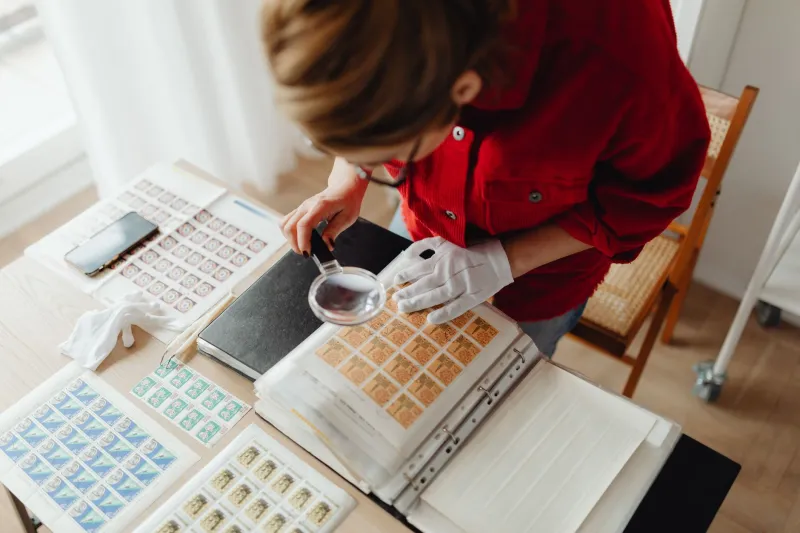
The Con Man Who Became the Art World's Most Trusted Eye
There's a particular kind of irony that the art world doesn't love to advertise. The people best equipped to protect a Rembrandt from a fake are often the ones who spent years making them.
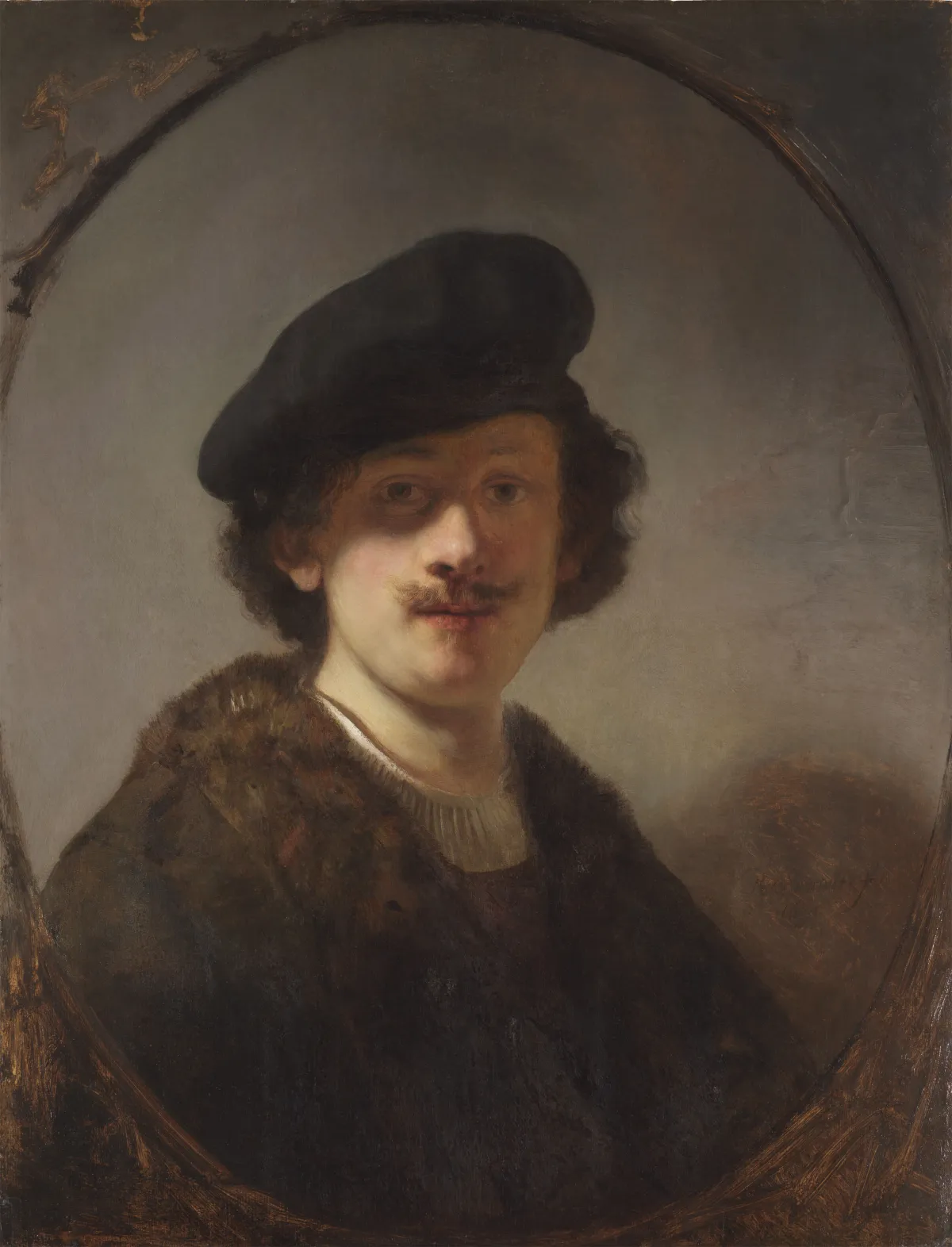 Photo: Rembrandt, via smarthistory.org
For one self-taught American con artist — let's call him by the reputation he eventually earned rather than the charges he once faced — the road from forger to authenticator wasn't a redemption arc so much as a logical conclusion. He didn't stumble into expertise. He built it, brushstroke by brushstroke, in the same back rooms and borrowed studios where the deception happened.
And when the art world finally caught up with him, it made a decision that said everything about how knowledge actually works: it hired him.
Learning the Hard Way — Which Turned Out to Be the Best Way
Most art historians come to their craft through lecture halls and slide projectors. They study reproductions, read catalogue essays, and develop their eye through proximity to the real thing in controlled, well-lit museum settings. It's a rigorous education, and for most purposes, it works.
But forgery doesn't happen in controlled settings.
A skilled forger has to understand a painting from the inside out — not just what it looks like, but how it was made, why it ages the way it does, and what a restorer, a curator, or an auction house specialist is most likely to overlook. The forger's education is tactile, obsessive, and brutally practical. Get it wrong and you don't just fail an exam. You get arrested.
This particular operator spent the better part of a decade working his way through the market. He studied original works with the intensity of someone whose freedom depended on it — because it did. He learned which pigments were used in which centuries, how linen canvas shrinks over time, what craquelure patterns develop naturally versus which ones can be artificially induced. He understood the chemistry of aging in a way that most conservators only encounter through textbooks.
He wasn't working from a place of passion for the art, at least not initially. He was working from necessity. But somewhere along the way, necessity curdled into genuine mastery.
The Moment the Tables Turned
The art world's dirty secret is that forgery detection has always been imperfect. Major institutions have authenticated fakes. Auction houses have sold them. Private collectors have paid millions for canvases that were never anywhere near the artist they were attributed to.
What changed the trajectory of this particular story wasn't a dramatic arrest or a courtroom confession. It was a quiet conversation — the kind that happens when someone in the room knows something no one else does.
The story goes that a major dealer, frustrated by a work that had passed two rounds of expert review but still felt wrong, brought in an outside consultant on an informal basis. The consultant looked at the painting for less than ten minutes before explaining, in precise technical detail, exactly how it had been aged, which solvent had been used on the varnish layer, and where the forger had cut corners on the ground preparation.
The dealer didn't ask how he knew. The dealer asked if he was available for a retainer.
That's often how it starts. Not with a formal rehabilitation, not with a press release about second chances — just a quiet acknowledgment that the most useful person in the room got there by a route nobody wants to talk about too loudly.
What Formally Trained Experts Couldn't See
The gap between academic art expertise and forgery detection is wider than most people realize, and it runs in both directions.
Academically trained specialists are exceptionally good at attribution — at understanding an artist's stylistic development, identifying period-appropriate iconography, and situating a work within an art-historical context. What they're often less equipped for is the adversarial dimension of the problem. Their training assumes the work in front of them is genuine. The forger's training assumes nothing.
This former con artist brought something to authentication that no graduate program could manufacture: a working knowledge of every shortcut, every technique, every tell that someone trying to deceive an expert might use. He knew the traps because he'd set them. He understood the weak points in the authentication process because he'd exploited them. When he looked at a suspect work, he wasn't asking whether it was consistent with a particular artist's hand. He was asking whether someone could have made it look that way — and if so, how.
That's a fundamentally different question, and it turns out to be an enormously valuable one.
Museums that had previously relied on provenance documentation and stylistic analysis started to understand that those tools alone weren't enough. The market had grown too sophisticated, the techniques too refined. What they needed was someone who thought like the opposition.
The Institutions That Once Wanted Him Arrested
There's a satisfying circularity to the fact that several of the institutions this man eventually consulted for were among those whose collections had, at various points, been threatened by works he or his associates had placed in the market.
None of them advertised the arrangement publicly. The art world is not known for its enthusiasm about admitting vulnerability, and hiring a former forger — even a reformed one, even an extraordinarily capable one — is not the kind of thing that makes for easy press releases.
But the engagements happened. They happened because the alternative was worse. Provenance fraud was costing the industry hundreds of millions of dollars annually. The tools available to institutional experts were good but not good enough. And here was a man who could walk into a storage room, spend an afternoon with a work under consideration, and come back with a detailed technical breakdown of exactly why it was or wasn't what it claimed to be.
His fee was not small. His accuracy rate was remarkable.
The Lesson Nobody Wants to Learn
The art world's experience with this particular expert is uncomfortable in the way that genuinely useful lessons often are. It suggests that the most important knowledge sometimes comes from places institutions would prefer not to acknowledge — from rule-breaking, from transgression, from spending years doing something you weren't supposed to do.
Formal training produces competence. Adversarial experience produces a different kind of wisdom.
That's not an argument for forgery as a career path. It's an argument for paying attention to where the deepest knowledge actually lives, even when its origins are inconvenient.
The con man who became America's most trusted art eye didn't get there despite his past. He got there because of it. And the institutions wise enough to recognize that — however quietly — protected their collections better for it.
Sometimes the best person to guard the vault is the one who already knows how to crack it.