Never Played a Down, Never Missed a Championship: Six Coaches Who Mastered the Game Without Ever Suiting Up
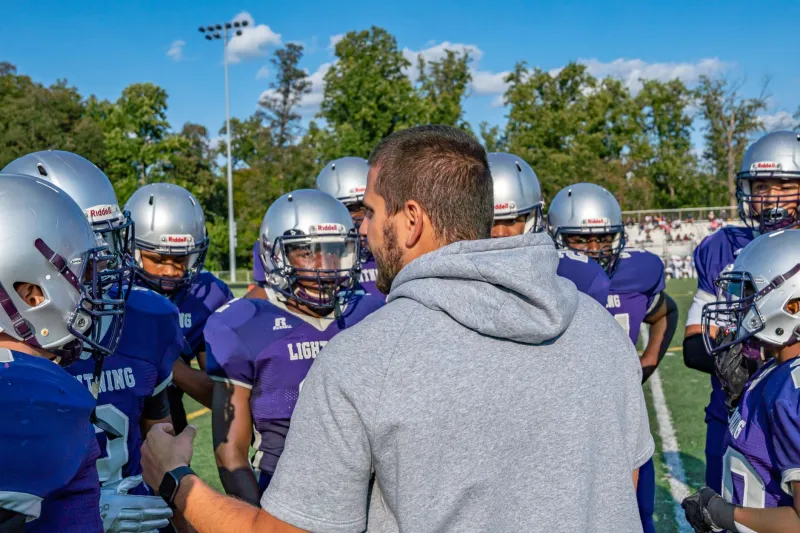
American sports culture has a deep, almost theological belief in the idea that the best coaches are former players — that you can't teach what you haven't lived. The locker room credibility argument is everywhere. It's in front office decisions. It's in the way media covers coaching hires. It's in the quiet skepticism that follows any coach who didn't make it as an athlete.
The six people on this list didn't get the memo. Or they got it and ignored it. Either way, they went on to build some of the most successful coaching careers in American sports history — and in each case, their distance from the playing experience turned out to be less of a liability than everyone assumed.
1. Tony La Russa — The Lawyer Who Thought Like No One Else in Baseball
Tony La Russa did play professional baseball, which seems like it disqualifies him from this list — until you look at the career. He appeared in 132 major league games over six seasons, a marginal presence by any measure. What defined La Russa wasn't his playing career. It was everything he did around it: he earned a law degree while still technically active as a player, developed an analytical framework for managing games that was genuinely foreign to the baseball establishment of his era, and approached roster construction and in-game decision-making with the systematic logic of someone who had never been socialized into baseball's unwritten rules.
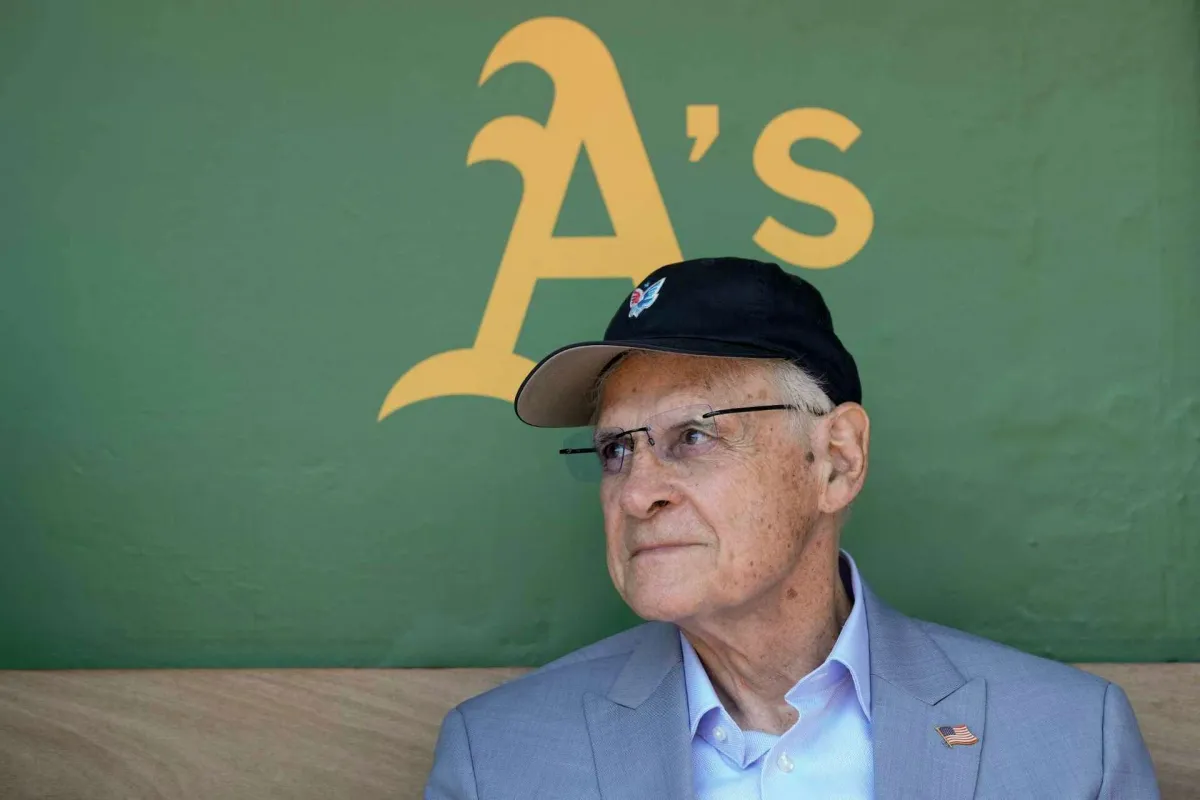 Photo: Tony La Russa, via s.hdnux.com
The results were three World Series titles across two franchises and a Hall of Fame induction. The baseball lifers who surrounded him throughout his career consistently noted that he saw the game differently — not despite his limited playing background, but in ways that were clearly connected to it. He hadn't spent enough time as a player to absorb the game's conventional wisdom. So he built his own.
2. Phil Jackson — The Fringe Player Who Built Dynasties
Phil Jackson played twelve seasons in the NBA, which sounds substantial until you look at what those seasons actually were: a career spent largely on the bench, backing up starters, learning the rhythms of a game he was watching more than playing. He was a self-described student of the game during his playing years, absorbing everything from the sideline because the sideline was mostly where he was.
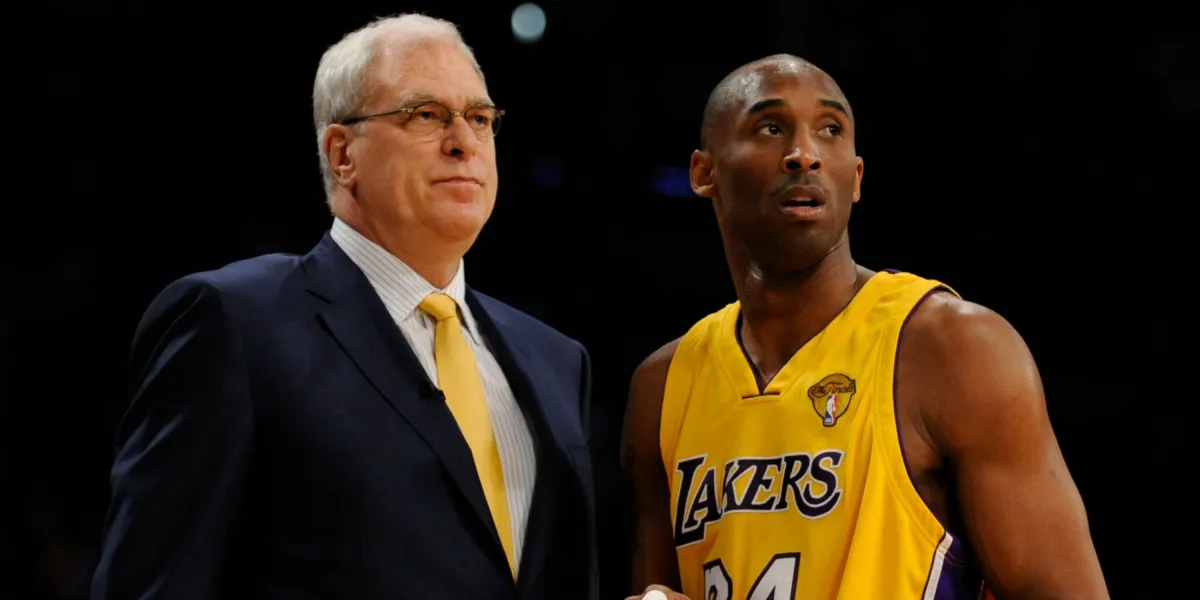 Photo: Phil Jackson, via static0.givemesportimages.com
When he moved into coaching, he brought something unusual: a genuine intellectual framework for team dynamics that had nothing to do with personal athletic dominance. He studied Zen philosophy. He read widely on leadership psychology. He developed a triangle offense that required players to subordinate individual instincts to collective reads — a system that a star player with a star player's ego might never have designed, but that a career bench player who had spent years watching how teams actually functioned could see clearly.
Eleven NBA championships. Six with Chicago. Five with Los Angeles. The most decorated coach in the history of the sport. Built by someone who spent most of his playing career in street clothes.
3. Tom Landry — The System Builder Who Changed Pro Football Forever
Tom Landry did play in the NFL, again complicating the clean narrative — but his playing career was defined by intelligence and study rather than physical dominance, and his true genius emerged entirely in the coaching realm. He invented the 4-3 defense. He pioneered the use of film study as a primary coaching tool. He introduced the concept of the "flex defense" at a time when football strategy was largely intuitive rather than analytical.
Landry's approach was that of an engineer rather than a warrior. He diagrammed football like a systems problem, which was deeply unusual in an era when the sport ran primarily on personality and toughness narratives. The Cowboys players of the 1970s famously found him cold and mechanical. They also won two Super Bowls and appeared in five.
What Landry built — the analytical, systems-based approach to NFL coaching — is now the dominant model in the league. He saw football as a problem to be solved. That perspective came from someone who had always been more thinker than athlete.
4. Anson Dorrance — The Soccer Coach Who Built the Greatest College Dynasty in American History
Anson Dorrance played college soccer at the University of North Carolina in the early 1970s — a program that barely existed and a sport that had almost no infrastructure in the United States at the time. His playing career was, by his own account, unremarkable. What happened when he moved into coaching was not.
Dorrance built the UNC women's soccer program into the most dominant dynasty in the history of American college athletics. Twenty-two national championships. More than fifty players who went on to represent the United States nationally. A coaching methodology built around competitive training environments, psychological development frameworks, and a deep study of what actually produces elite performance — none of which came from his own playing experience, because that experience hadn't given him much to work with.
He was, in the most literal sense, figuring it out as he went. And what he figured out became the template that programs across the country eventually adopted.
5. Pat Summitt — The Coach Who Redefined What Women's Sports Could Be
Pat Summitt played college basketball at the University of Tennessee Martin in the early 1970s, during an era when women's college sports existed largely as an afterthought. The facilities were inadequate. The competition was uneven. The playing experience she accumulated was real but limited in ways that had nothing to do with her ability.
What she built at Tennessee — 1,098 wins, eight national championships, a recruiting empire, and a program that changed the public perception of women's basketball entirely — came not from translating a great playing career into coaching wisdom, but from an obsessive, almost scholarly approach to the craft of developing athletes. She studied leadership. She studied psychology. She built systems for accountability and competitive culture that were sophisticated beyond anything the sport had seen at that level.
Summitt became the winningest coach in the history of college basketball, men's or women's. She did it from a playing foundation that was, by the standards of what she built, almost impossibly modest.
6. Bill Belichick — The Coach Whose Playing Career Was Basically Irrelevant
Bill Belichick played lacrosse in college. He did not play professional football. He has never, at any point in his career, been able to say "when I was in the league" with any credibility. And he is, by most objective measures, the greatest NFL coach who has ever lived.
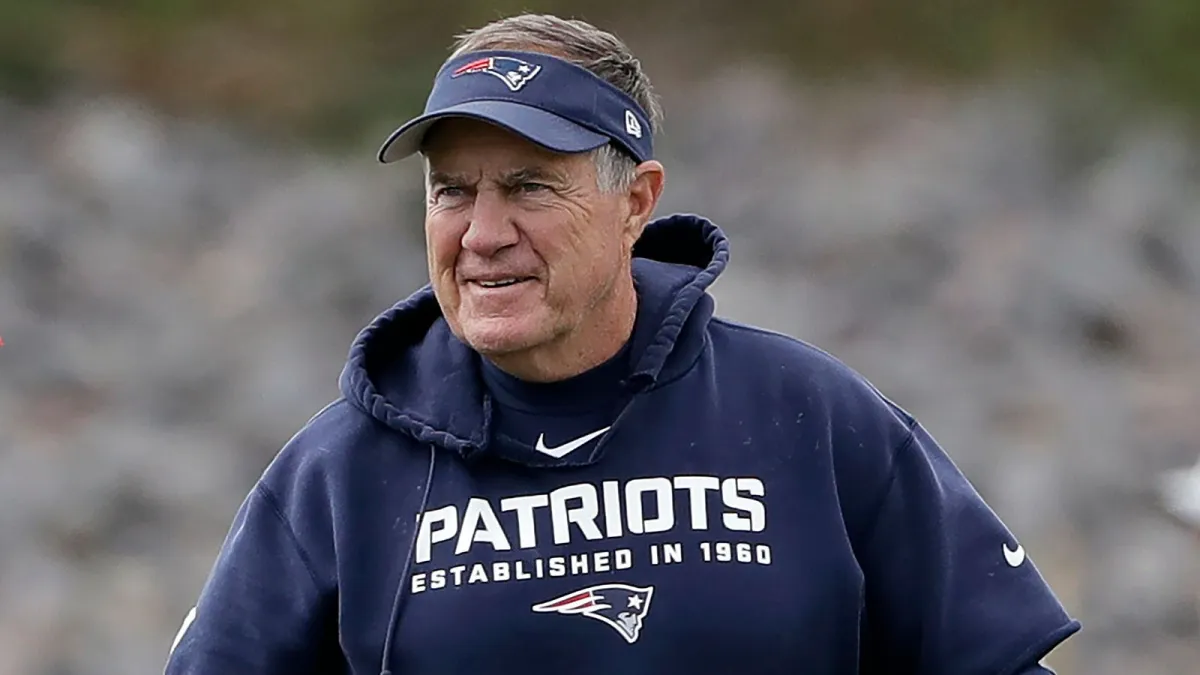 Photo: Bill Belichick, via e0.365dm.com
Six Super Bowl championships. A defensive philosophy that has been studied, copied, and still not fully replicated. A personnel evaluation framework that consistently found value where other organizations didn't look. An ability to adapt — game to game, season to season, era to era — that players and analysts who've been inside the system still struggle to fully explain.
Belichick built everything he knows about football from the outside in. He watched film obsessively. He studied schemes. He learned by analyzing rather than by doing. And the analytical distance that came from never having played at the elite level gave him something the career players often lacked: he was never too close to the game to see it clearly.
The Lesson That Sports Keeps Forgetting
Every few years, a front office somewhere passes over a coaching candidate because of concerns about playing experience. The assumption is durable and understandable — but the evidence keeps pushing back against it.
Playing a sport at the highest level teaches you specific things about that sport. It does not teach you how to develop other people. It does not teach you how to build systems, manage personalities, analyze film, or construct the kind of competitive cultures that produce sustained excellence. Those are separate skills. They require separate development.
The coaches on this list didn't succeed in spite of their limited playing backgrounds. They succeeded, at least in part, because they were never given the option of coasting on what they already knew. They had to build their understanding from scratch — and what they built, it turned out, was better than what the insiders were working with.