He Painted Masterpieces Nobody Knew Were Fake — Until He Proved the Experts Had No Idea What They Were Doing
The Critic's Verdict
In the 1920s, Dutch painter Han van Meegeren wanted nothing more than to be taken seriously. He had technical skill that most of his contemporaries couldn't match — a deep, almost obsessive understanding of seventeenth-century Dutch painting, of the way light moved across Vermeer's canvases, of the subtle craquelure that forms in centuries-old paint. He studied it all. He practiced relentlessly.
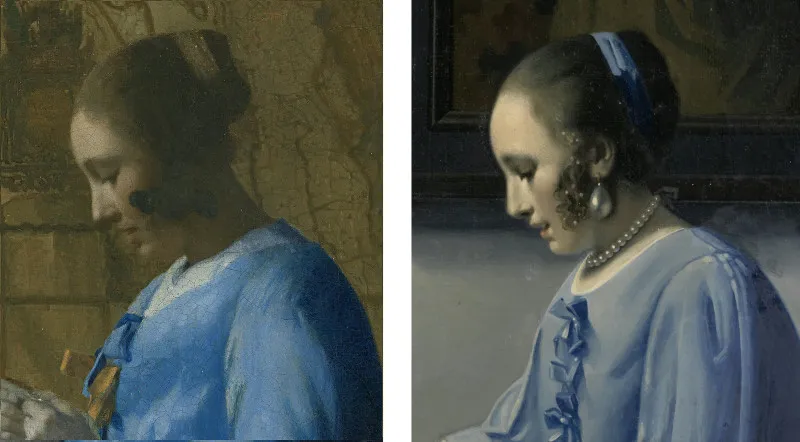 Photo: Han van Meegeren, via www.essentialvermeer.com
The critics weren't impressed.
One particularly stinging review, written by influential Dutch art scholar Abraham Bredius, dismissed van Meegeren's work as derivative and uninspired — technically proficient, perhaps, but lacking the soul of a true artist. It was the kind of verdict that ends careers. For van Meegeren, it lit a fuse.
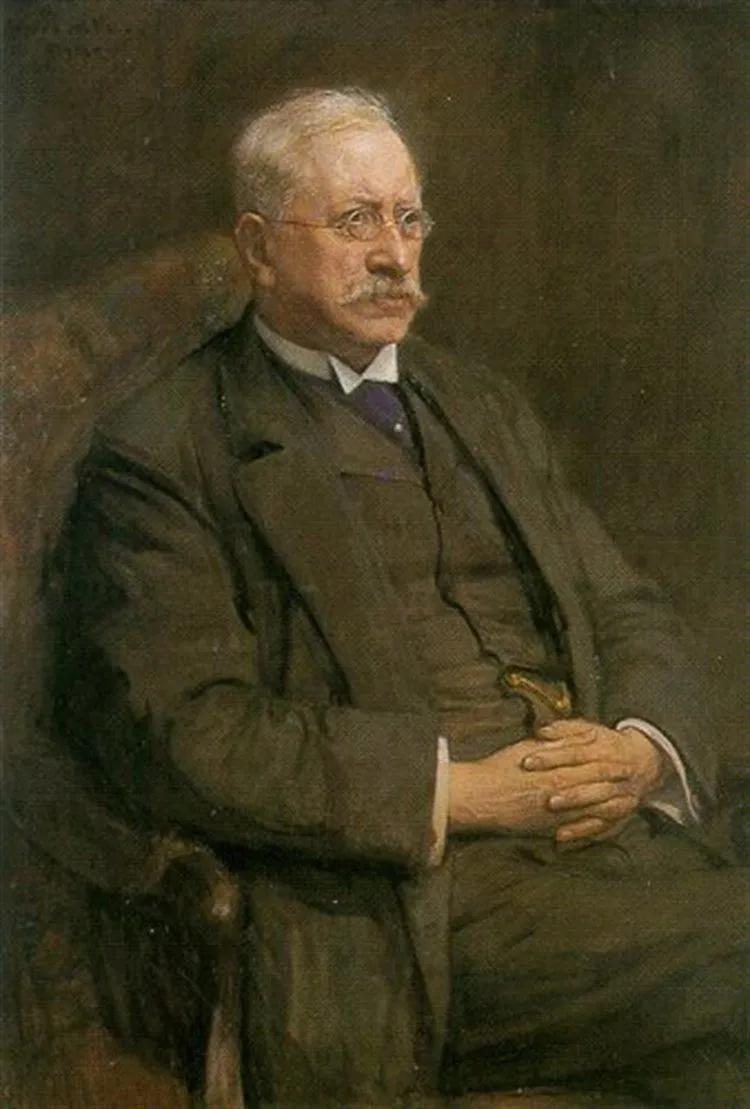 Photo: Abraham Bredius, via alchetron.com
He didn't quit. He didn't sulk. He hatched a plan so audacious it almost defies belief: he would paint a Vermeer so convincing that the experts who had dismissed him would declare it a masterpiece. And then he would tell them he'd made it himself.
The Long Con
Forgery, at the level van Meegeren was attempting, isn't a quick job. It's a years-long exercise in obsessive detail. He sourced seventeenth-century canvases, scraping off their original paint while preserving the aged linen beneath. He mixed his own pigments using materials available in the 1600s — lapis lazuli, lead white, bone black — because modern chemical analysis could detect anachronistic compounds. He even solved the problem of hardness: old paint is brittle in a specific way that fresh oil paint isn't, so he developed a formula using phenol and formaldehyde that, when baked in an oven at precisely the right temperature, mimicked centuries of natural curing.
This wasn't a man slapping a fake signature on a canvas. This was a scientist working in disguise.
His first major forgery, The Supper at Emmaus, was submitted to the art world in 1937. The painting depicted a biblical scene in Vermeer's unmistakable style — the soft light, the quiet intimacy, the muted palette. And the man who authenticated it? Abraham Bredius. The same critic who had called van Meegeren's original work soulless declared The Supper at Emmaus one of the greatest Vermeer discoveries in history. He wrote rapturously about its "inner radiance." Museums celebrated. The Dutch cultural establishment was thrilled.
Van Meegeren had fooled his harshest critic into praising work he had made with his own two hands. He could have stopped there. He didn't.
When the Nazis Got Involved
Over the next several years, van Meegeren sold more forgeries — six in total, attributed to Vermeer and other Dutch Golden Age masters. They moved through dealers and collectors across Europe, each one passing expert scrutiny. The prices climbed into the millions.
Then came the sale that would make his story truly extraordinary.
In 1943, one of van Meegeren's fake Vermeers made its way to Hermann Göring, the second most powerful man in Nazi Germany and one of the most voracious art collectors of the war era. Göring paid what would today be the equivalent of several million dollars for what he believed was a genuine national treasure.
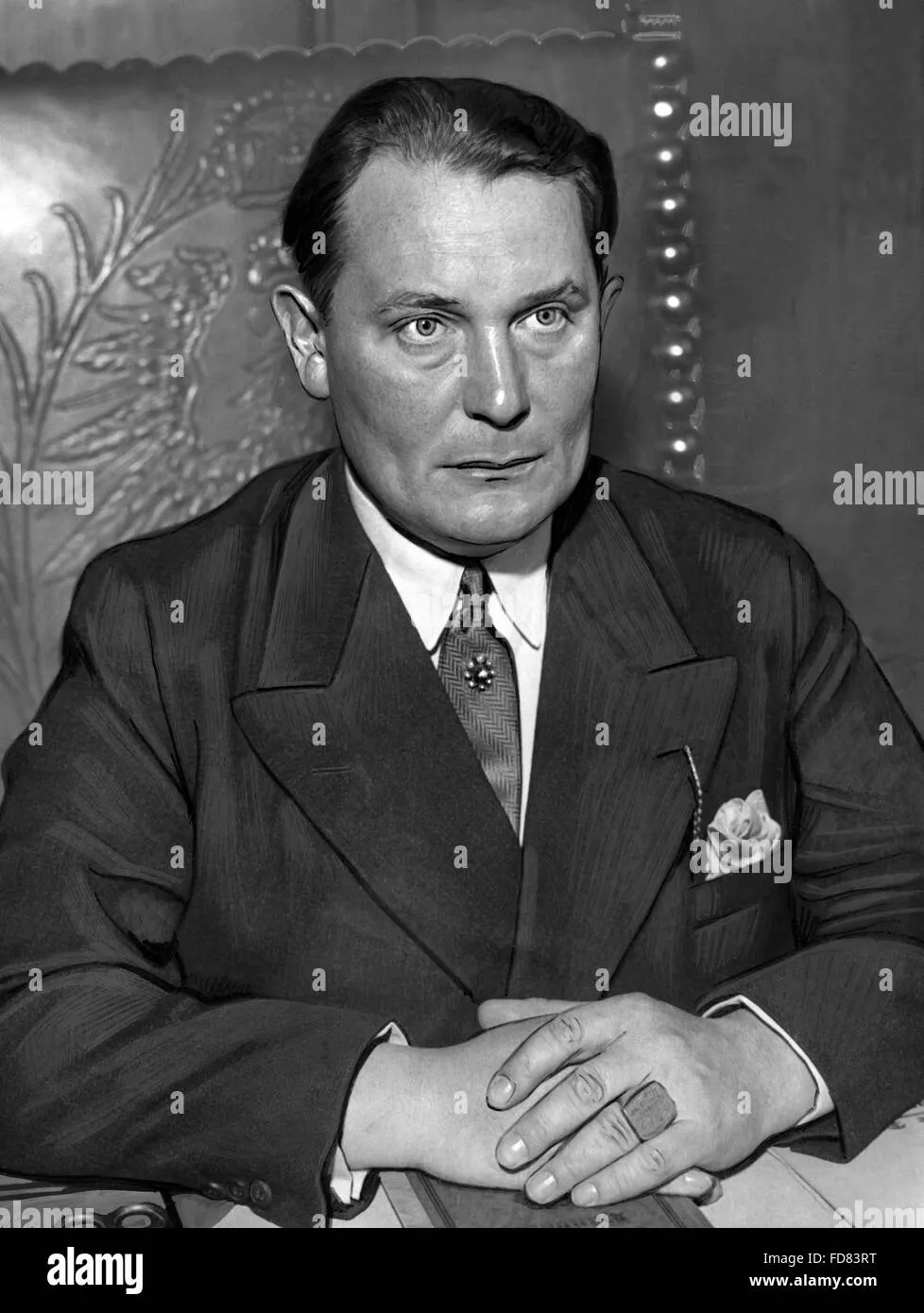 Photo: Hermann Göring, via www.alamy.com
When Allied forces liberated Europe and began tracing looted art, investigators followed the paper trail back to van Meegeren. He was arrested in 1945 on charges of collaboration with the enemy — selling a Dutch cultural artifact to a Nazi was a serious crime, potentially carrying the death penalty.
Van Meegeren's defense was almost comically perfect: he couldn't have sold a national treasure to Göring because it wasn't a national treasure. He'd painted it himself.
Nobody believed him.
Proving His Own Guilt
So he did the only thing left to do. He painted another Vermeer. In his jail cell, under police supervision, with investigators watching every brushstroke, he produced Young Christ Teaching in the Temple — a new forgery, made in real time, using his same painstaking methods.
The experts were forced to concede. Every forgery was re-examined. The scientific analysis confirmed what van Meegeren had claimed. The man accused of selling a national treasure had actually sold a con. The Nazi war criminal had been duped. The world's leading Vermeer authorities had spent years praising paintings made by a man they'd once called a second-rate talent.
The collaboration charges were dropped. Van Meegeren was convicted of the lesser charge of forgery and fraud, sentenced to a single year in prison. He died of a heart attack before he served a day of it.
What the Art World Would Rather Forget
The uncomfortable legacy of van Meegeren's story isn't really about one bitter painter's revenge. It's about what his success revealed.
Authentication in the art world has always rested heavily on reputation — on the judgment of a small circle of scholars whose authority is largely self-reinforcing. When Bredius said a painting was a Vermeer, it was a Vermeer. The circular logic held until it spectacularly didn't. And even today, with more sophisticated scientific tools available, authentication remains a field plagued by disagreement, ego, and the uncomfortable reality that context shapes perception. A painting presented as a rediscovered Old Master gets evaluated differently than the same painting presented as the work of an unknown contemporary.
Van Meegeren understood this better than anyone. His forgeries didn't just fool experts — they revealed that expertise itself was partly performance. The gatekeepers weren't reading the paintings. They were reading the story around the paintings.
For a man who spent his early career being told he didn't belong in serious art circles, that was the most satisfying discovery of all.